
I’ve gathered together my herbal tea reviews.
I never knew I could love herbal teas until I discovered options beyond mint and chamomile.
I hope these herbal tea reviews help you discover new herbal choices or new ways to enjoy them!
 Tea Infusiast
I’ve gathered together my herbal tea reviews.
I never knew I could love herbal teas until I discovered options beyond mint and chamomile.
I hope these herbal tea reviews help you discover new herbal choices or new ways to enjoy them!
What’s the difference between rooibos and green rooibos teas? This post compares their origin, processing, appearance, and flavor profiles.
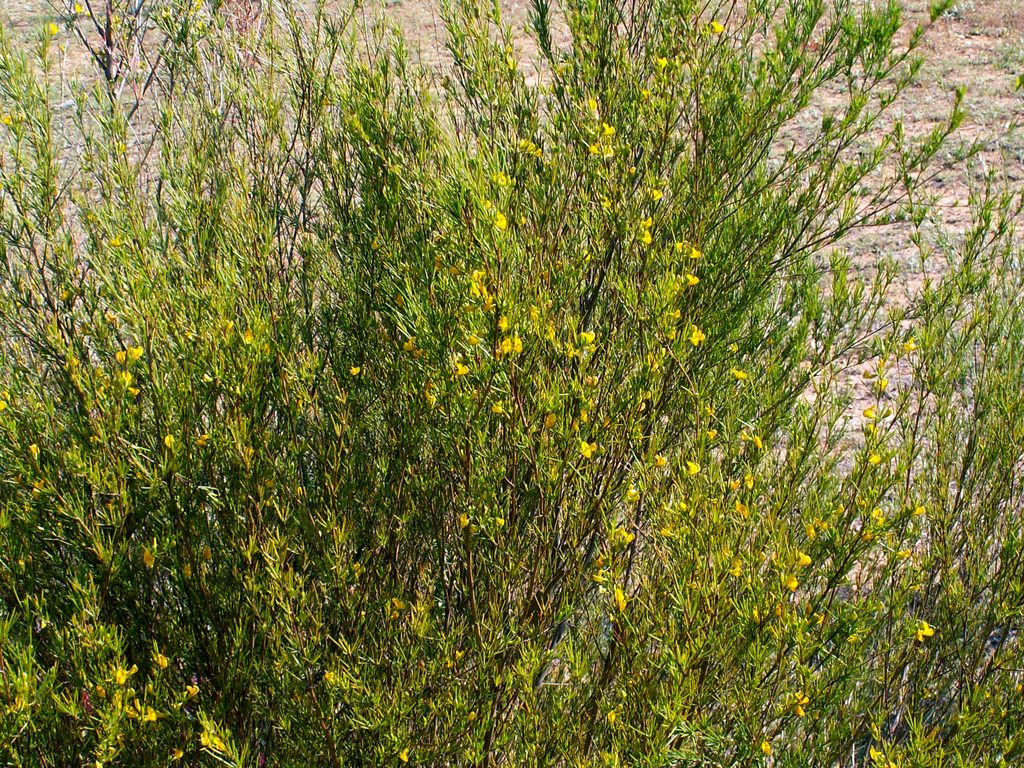
Rooibos, or red bush tea, is generally more well known then green rooibos. Both herbal teas come from Aspalathus linearis. This plant is “a South African shrub from whose leaves a tea (infusion) is made that is high in antioxidants, and has low tannin content and no caffeine” (American Botanical Council).
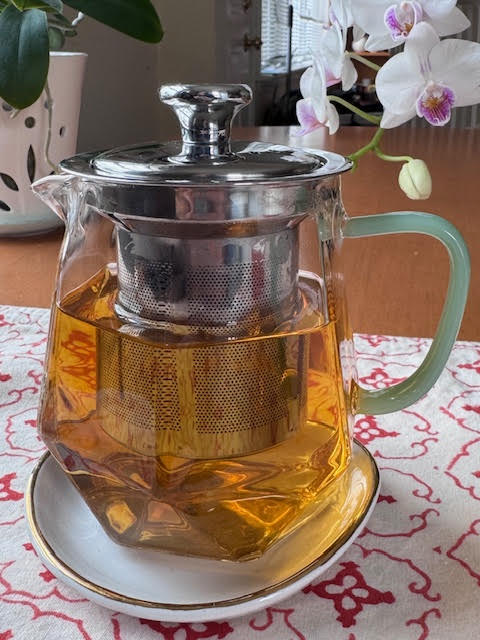
I love trying herbal teas, like burdock root tea, that don’t appear in the typical chain grocery store in the U.S. That’s partly because for years I thought I didn’t enjoy herbal tea. It turns out, I’m just not a big fan of mint or chamomile–probably the two most popular herbals in the United States.
So, when one of my favorite tea companies, Soocha Tea, added a new herbal tea to their collection, I knew I had to try. Maybe it would be a new option to add to my Herbal Tea Recommendations!
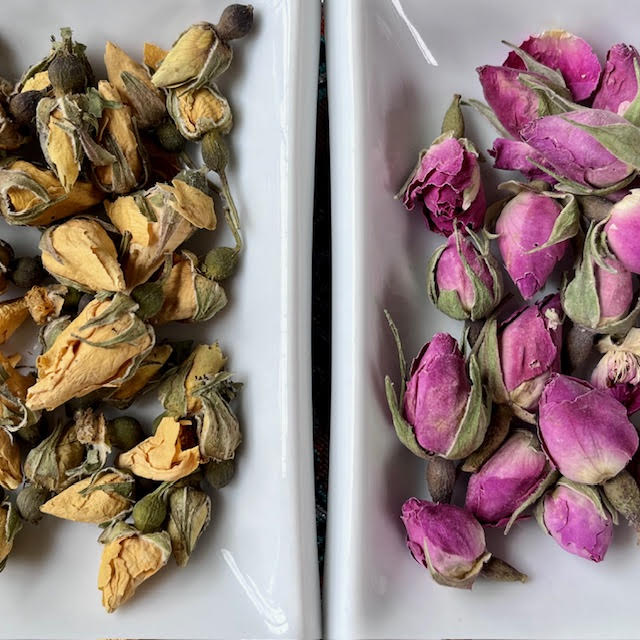
Rosebud tea can be delightful. Let’s compare the flavor, mouthfeel, and more of yellow vs. pink rosebuds steeped as herbal tea.
I have been drinking pink rose and pink rosebud tea for some time. Yellow rosebuds, by contrast, are relatively new to me. Realizing I had two different colored rosebud herbal teas, both grown in Iran, made me curious to compare them. The results surprised me!
Their flavor profiles, beauty, and more persuaded me to add persimmon leaf and magnolia blossom herbal teas into my tisane rotation at home.
I am a long time devotee of “real tea” (from the Camellia Sinensis plant) and relatively late to discovering herbal teas that I enjoy drinking regularly. No one was more surprised than I was when I wrote my first Herbal Tea Recommendations post a few months ago! Since then, I’ve found two new tisanes to add to my recommendations.
Note: always research any potential health risks associated with herbal teas before you try them.

This post shares herbal tea recommendations based on flavor profiles that I love.
I’ve always been primarily a non-herbal tea drinker. It took me years to find herbal teas that I really enjoy. In this post, I’m happy to highlight seven that I love.
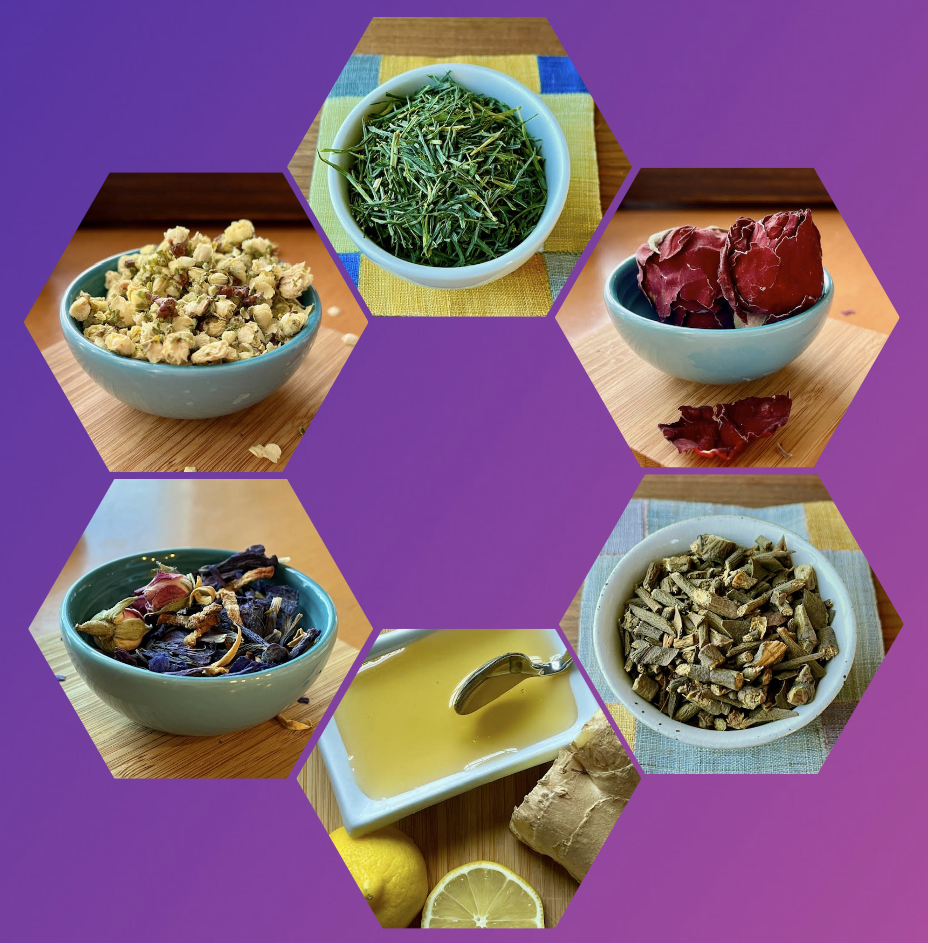
When I say I love tea, I emphatically mean the beverage made from the leaves of the Camellia sinensis plant. I don’t mean herbal teas (AKA tisanes). My desire to drink tasty beverages, however, is greater than my ability to tolerate caffeine (sadly), so I am constantly searching for caffeine-free tisanes that I enjoy. I have been experimenting with tisane recommendations to match tea moods or preferred flavor profiles.

When I say I love tea, I emphatically mean the magical elixir you can get from steeping leaves from the Camellia sinensis plant. I don’t mean herbal teas or tisanes. I actually have a harder time finding tisanes that I love than teas that I love. Despite my preference for tea, I have been impelled to go looking for delicious tisanes because my desire to drink warm, tasty beverages is greater than my ability to drink caffeine. Sometimes, I need something caffeine-free.
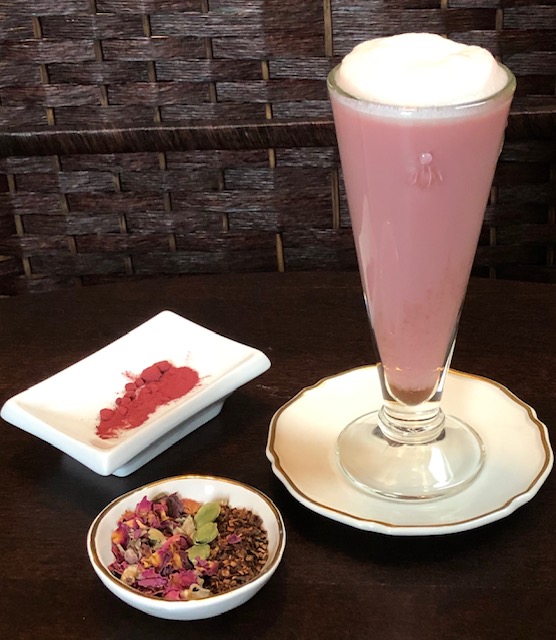
Valentine’s Day is coming up! Maybe a romantic restaurant dinner for two, an in-person Galentine’s tea party with our Besties, or another ritual. Daily and seasonal rituals are so important. This post shares Valentine’s teas and Valentine’s tisanes to celebrate the season!
